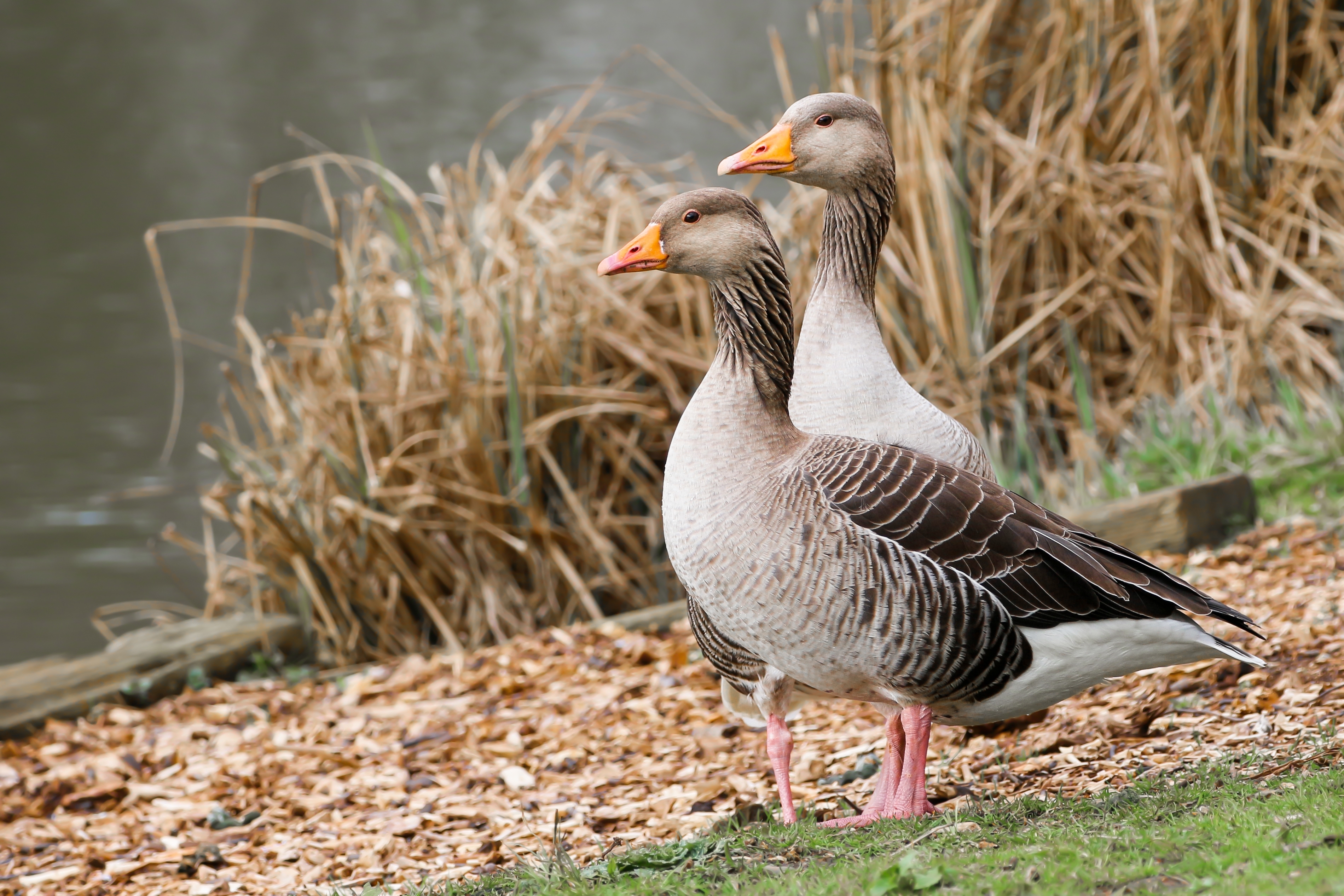
Avian influenza (bird flu) has been identified at Kingsbury Water Park in North Warwickshire and visitors are being asked to take a few simple precautions to protect wildlife and other park users.
While the avian influenza strain, A(H5N1), is highly infectious to other birds, the risk to human health is considered very low. However, residents and visitors are being reminded to follow public health advice to help prevent the spread of infection:
-
Do NOT touch sick or dead birds.
-
Wash your hands thoroughly with soap and water before and after visiting places, where birds gather. Hand sanitiser (minimum 60% alcohol) can be used as an alternative but is less effective than soap and water.
-
Avoid dead or visibly sick birds, feathers, droppings, or muddy areas where infected birds may have been.
-
Avoid handling feathers or surfaces that may be contaminated by droppings.
-
If you keep poultry or other birds at home, wash your hands and clean/disinfect footwear after visiting them.
-
Report any sick or dead birds to the Department for Environment, Food & Rural Affairs (Defra) by calling 03459 33 55 77.
Kingsbury Water Park is home to a wonderful variety of birds, and by working together and following guidance, the risk of bird flu spreading can be reduced.
All Warwickshire parks remain open, and visitors can take these simple precautions to protect themselves and wildlife. Dogs should also be kept on leads and residents should stick to marked footpaths during visits.
There is a small risk to cats or dogs if they catch wild birds infected with bird flu. Common garden birds pose a lower risk than ducks, geese, swans, and gulls.
Councillor Anne-Marie Sonko, Portfolio Holder for Adult Social Care and Health, said: "While the risk to human health remains very low, it is important that residents and visitors continue to follow the latest guidance and avoid contact with sick or dead birds to help protect themselves, their pets and local wildlife. By taking sensible precautions, we can help minimise the spread of avian influenza and ensure our parks and green spaces remain safe and accessible for everyone."
Sarah Smith, Consultant in Health Protection leading on avian influenza for UKHSA West Midlands, said: “The risk to the general public from the current strain of avian flu is considered low, however it is important that in places where avian flu has been identified in birds, or there are areas with wild bird die off, people follow public health advice and avoid contact with dead or visibly sick birds, and any contaminated materials or surfaces and use sensible precautions such as hand washing after visiting an affected area”
Bird flu is circulating nationally. If you see sick or dead birds near waterways or on private land in Warwickshire, do not touch them and call the Defra helpline on 03459 33 55 77.
To find out more about bird flu, visit Bird flu (avian influenza): how to spot and report it in poultry or other captive birds - GOV.UK