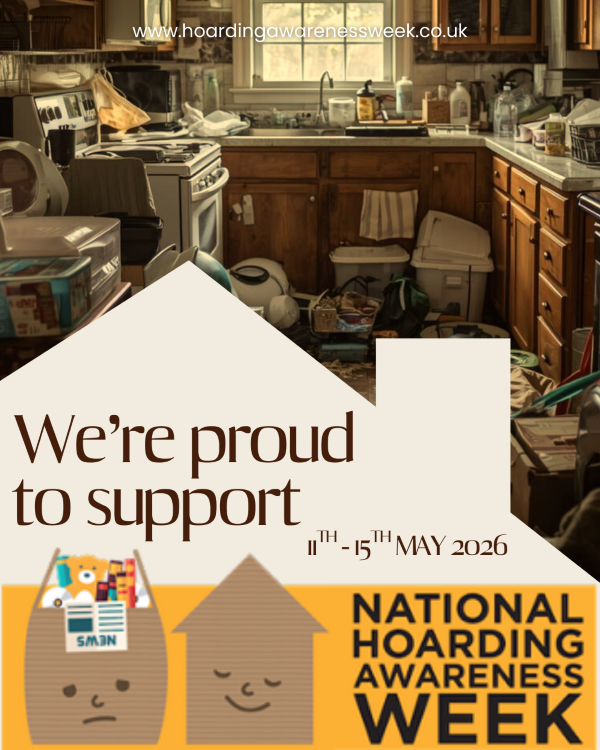
Hoarding can create serious fire risks by obstructing exits, increasing the amount of flammable materials, and hindering emergency services.
Hoarding disorder is a mental health condition where you collect a lot of things, and you cannot manage the clutter where you live and find it difficult to throw things away.
This Hoarding Awareness Week (11 – 15 May), Warwickshire Fire and Rescue Service (WFRS) is urging residents, families, and carers to encourage individuals living in environments where hoarding is present or becoming an issue to access a free Safe and Well Check.
These vital checks focus on ensuring clear escape routes, the correct fitting and regular testing of smoke alarms, and promoting the practice of closing doors at night, all crucial elements for fire safety that can significantly improve the chances of safe evacuation and allow firefighters essential access if needed.
During a Safe and Well Check, trained personnel from Warwickshire Fire and Rescue Service will:
- Assess potential fire hazards within the home.
- Offer advice and guidance on maintaining clear escape routes.
- Ensure the correct fitting and provide guidance on the regular testing of smoke alarms.
- Highlight the importance of closing doors at night to contain fire spread.
- Offer advice and guidance on reducing fire risks associated with clutter.
- Check or install smoke alarms where needed.
- Discuss escape routes and strategies in the event of a fire.
- Provide information and signposting to partner agencies who can offer further support for hoarding behaviours.
Warwickshire County Council’s Portfolio Holder for Fire & Rescue and Community Safety, Councillor Dale Bridgewater, said: “During Hoarding Awareness Week, we want to offer support to residents who may be living in cluttered homes and highlight the importance of our free Safe and Well Checks. We recognise that hoarding is a complex issue, and our approach is always supportive and non‑judgemental. By working with residents, we can help create safer living environments and reduce the risk of fire.
“It is also vital that people are properly prepared in the event of a fire. Having working smoke alarms in place, testing them regularly, and keeping escape routes clear can significantly improve the chances of getting out safely. If you need help fitting or testing smoke alarms, or advice on fire safety in your home, I would encourage you to book a free Safe and Well Check.”
Knowing your escape route is important, here are some tips to help keep homes safe for you and your loved ones:
- Think about how you’d all get out in a fire. Making and practising an escape plan will help ensure that everyone can get out, stay out and call 999.
- Fit at least one smoke alarm on every level of your home. This allows smoke to reach the alarms quicker giving you more warning time.
- Test your smoke alarms at least monthly. Smoke alarms can save your life, but only if they work.
- Clear your escape routes. Make sure you’re able to escape without tripping over to ensure a speedy exit.
- Keep your door and window keys in a known and accessible place. Make sure everyone knows where the door and window keys are kept so they can reach them easily and get out quicker in case of a fire.
To learn more about Safe and Well Checks and to request a visit, please visit the Warwickshire County Council website: https://www.warwickshire.gov.uk/home-fire-safety-tips/hoarding-fire-safety.
For more information on planning your escape routes, visit warwickshire.gov.uk/fire-safety-home/making-home-escape-plan and fireservice.co.uk/safety/escape-plans/.
For further support on hoarding, visit:
P3 Warwickshire Hoarding Service - which offers emotional and practical hands-on support for people facing the challenges of hoarding behaviour: P3 Warwickshire Hoarding Service | P3 Charity
Services for people affected by hoarding, including support groups: https://www.mind.org.uk/information-support/types-of-mental-health-problems/hoarding/useful-contact…
For compassionate support and free specialist training programmes: Home - Clouds End Hoarding Support and Training