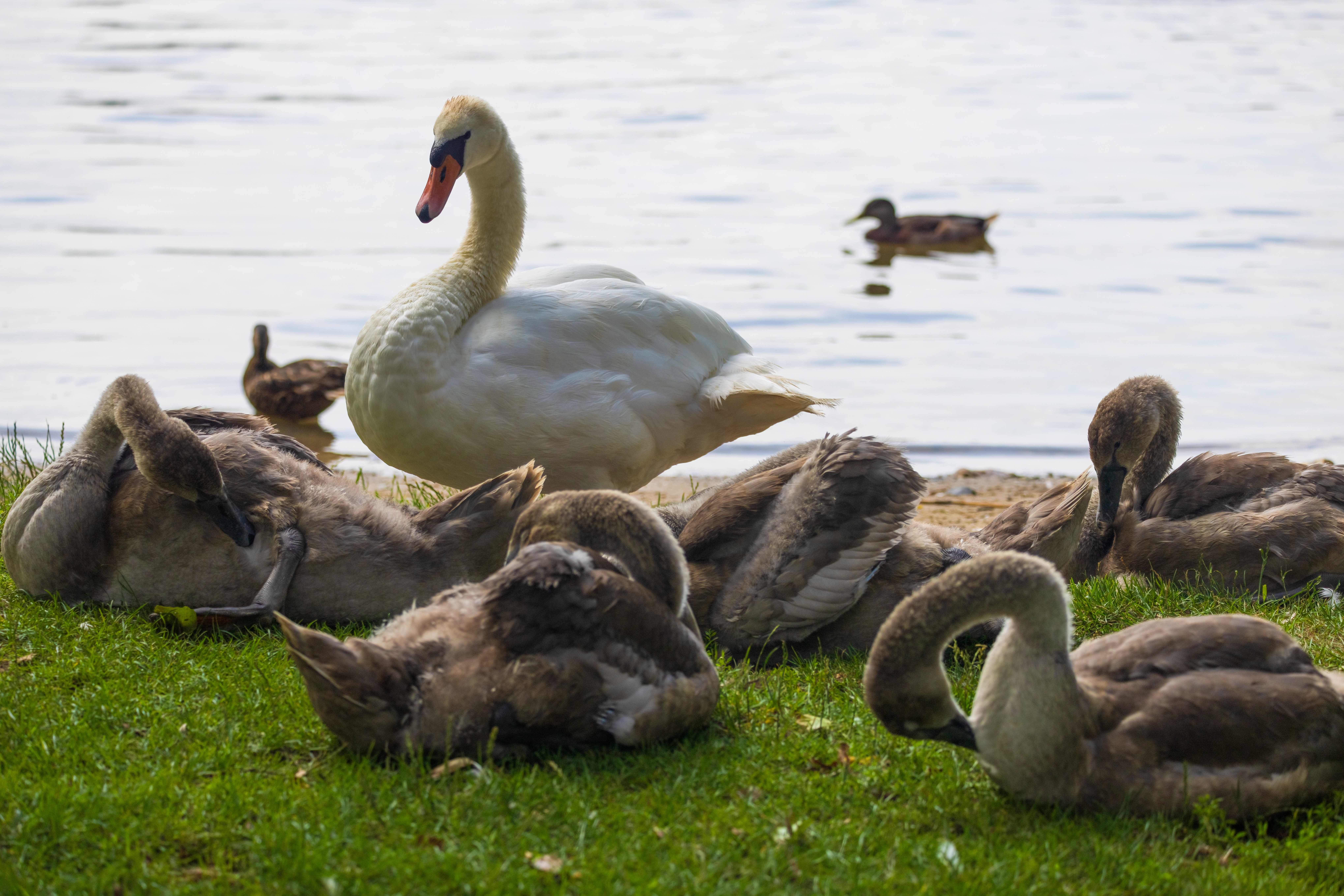
Avian influenza has been confirmed in a number of wild birds at Kingsbury Water Park in North Warwickshire.
The Department for the Environment, Food and Rural Affairs (Defra) and the Animal and Plant Health Agency (APHA) have confirmed that avian influenza A(H5N1) is currently present in the wild bird populations at Kingsbury Water Park in North Warwickshire.
The UK Health Security Agency (UKHSA) is now urging people visiting the park and surrounding area not to touch any sick or dead wild birds. The UKHSA, Warwickshire County Council and North Warwickshire Borough Council are working with the APHA to manage the situation, protect public health, and reduce the risk to other birds.
The A(H5N1) strain is highly infectious to other birds, but the risk to human health is considered very low. However, it is vital that people do not touch sick birds or dead bird carcasses to avoid the need to introduce further infection control measures.
For those visiting Kingsbury Water Park and the surrounding areas in North Warwickshire, please:
- Stay on the footpaths and keep dogs on leads.
- Please do not touch or pick up any dead or sick birds.
- Do not handle feathers or any surfaces that may be contaminated by droppings.
- After visiting the park, thoroughly wash hands in soap and water. Hand sanitiser with at least 60% alcohol can be used as an alternative but is less effective.
Sarah Smith, Consultant in Health Protection leading on avian influenza for UKHSA West Midlands, said:
“The risk to the public from this strain of avian flu is very low, however it is important that people do not touch any sick or dead birds. Anyone who has been in contact with sick or dead birds or their droppings, in an area where the infection has been confirmed, should make sure any footwear is properly cleaned and thoroughly wash their hands in soap and water.
"They should then notify the UK Health Security Agency’s West Midlands Health Protection Team on 0344 225 3560 so that public health experts can determine if antiviral medication and active surveillance of their condition is necessary. If someone handled infected birds while wearing adequate PPE, they may still undergo surveillance."
Councillor Anne-Marie Sonko, Portfolio Holder for Adult Social Care and Health at Warwickshire County Council, said:
"We are working closely with North Warwickshire Borough Council, Kingsbury Water Park, and partner agencies including DEFRA and the UKHSA to ensure the health and safety of residents in North Warwickshire. Signage with advice for visitors to Kingsbury Water Park are currently in place across the site. We are also asking people not to feed wild birds at this time, not to touch or move dead birds, and to keep their dogs away from them. If you find a sick or dead bird, please contact the Defra helpline on 03459 33 55 77 or visit the Report dead wild birds webpage on the GOV.UK website”.
Dr Shade Agboola, Director of Public Health, Warwickshire County Council said:
“The incidence of avian flu in the wild bird population is something that we are taking very seriously. The UKHSA has made it clear that the risk of the disease transferring from birds to humans is considered to be very low. To ensure this situation remains, members of the public should not touch or go near sick or dying birds and any dead birds found should be reported to the park rangers to assist with disposal.”
She added:
“Posters have also been put up in the area to ask people not to feed the birds and remind people to keep to the footpaths and to keep dogs on leads.”
Kingsbury Water Park is a country park managed by Warwickshire County Council and offers a safe environment for residents to enjoy the countryside. It is maintained by rangers who monitor the local bird population carefully, which is one of the reasons why avian flu has been detected.
It is likely that avian flu is circulating more widely than Kingsbury Water Park. If anyone sees sick or dead birds by waterways or on private land in the surrounding areas in North Warwickshire, do not touch them and call the Defra helpline on 03459 33 55 77.