- Publication detail
- Executive summary
-
The LGBTQ+ JSNA examines the health needs of the LGBTQ+ population in Warwickshire. It looks at the demographics of the LGBTQ+ population, their health outcomes, and how the wider determinants of health impact on these outcomes.
The JSNA is split into the following areas:
Local population

12,754 people in Warwickshire reported their sexual orientation as lesbian, gay, bisexual, or other (LGB+), approximately 2.6% of the population.

The largest age bracket reporting their sexual orientation as LGB+ is in the 16-24 age group (6.88%). The percentage reporting LGB+ then decreases incrementally in older age groups.
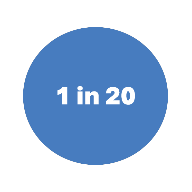
The ‘Mixed or Multiple Ethnic groups’ category has the highest proportion reporting LGB+ with one in twenty people (5.61%).

1,733 people in Warwickshire identified their gender identity being different from their birth sex, 0.35% of the population.

Younger age groups were more likely to identify as a different gender than that registered at birth, with the proportion decreasing with age. For those aged 16-24, 0.82% identified as a gender different from their birth sex.

Both the sexual orientation and gender identity questions had a large percentage of respondents not answering, 6.5% and 5.08% respectively. It is unknown how many of those residents may or may not be LGBTQ+.
Health inequalities

LGBTQ+ people nationally are 1.5 times more likely to develop depression and anxiety disorders compared to the general population.

LGBTQ+ adults are more likely to develop eating disorder behaviours compared to heterosexual and cisgender peers, with just over one in ten LGBTQ+ people nationally in 2018 saying they had experienced an eating disorder in the last year.

Nationally in 2018, just over one in ten transgender people reported trying to take their own life.
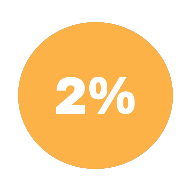
Since 2018, 2% of all suspected suicides in Warwickshire were LGBTQ+ people, although this is likely under-reported.
Nationally, LGBTQ+ individuals have been shown to report worse physical health outcomes than the cisgender population. This includes higher rates of:
- Limiting longstanding illness
- Long-term conditions that limit daily activities
- Chronic gastrointestinal, liver, and kidney conditions
- Polycystic ovary syndrome (PCOS)
- Certain types of cancers at a younger age

Gay or bisexual men who have sex with men are nationally more likely to report harmful sexual health behaviours compared to men who have sex exclusively with women.

Almost 20% of men who have sex with men nationally have reported using drugs to assist sexual performance in the past year, compared to 6.5% of men who have sex with women.
An integrated health and care system

Nationally, people who are LGBTQ+ frequently report barriers to services, including:
- Fear of discrimination leading to issues of disclosure
- Lack of training or knowledge from medical professionals
- Poor experience and care because of issues surrounding sexuality

14% of LGBTQ+ people nationally report avoiding treatment for fear of discrimination because of being LGBTQ+.

1 in 5 LGBTQ+ people nationally report that they have not informed any healthcare professionals of their sexual orientation when seeking general medical care.

1 in 8 LGBTQ+ individuals nationally reported experiencing some form of unequal treatment from healthcare staff because of being LGBTQ+.

1 in 4 LGBTQ+ people nationally report having experienced inappropriate curiosity from healthcare staff because they are LGBTQ+.

1 in 4 of LGBTQ+ people nationally report experiencing a lack of understanding of specific LGBTQ+ needs from healthcare staff.

Heteronormative assumptions have been identified in several small-scale UK studies as a primary barrier to accessing sexual health services, especially maternity and infertility treatments.

There are key issues identified nationally for LGBTQ+ individuals in accessing end of life care, including fear of discrimination, assumptions on identity and family structures, lack of support for grieving and bereaved loved ones, and increased pressure on carers of LGBTQ+ people.

There is a lower reported uptake nationally of breast and cervical cancer screenings among lesbian women and transgender individuals.
Our health behaviours and lifestyles

Smoking prevalence nationally is higher in the bisexual (23.3%) and gay or lesbian (23.1%) populations compared to the heterosexual population (15.9%).
Nationally, gay and bisexual men are less likely to be overweight or obese compared to heterosexual men. Research is mixed for lesbian and bisexual women, with some indicating that this population is more likely to be overweight or obese, and some indicating that they are less likely.

Lesbian, gay, and bisexual adults are more likely to drink at levels which put them at increased or higher risk of alcohol-related harm nationally compared to heterosexual adults.
Nationally in 2018, 9% of the LGBTQ+ population in England took drugs at least once a month compared to 2.6% of those who are not LGBTQ+.
The place and communities we live in and with
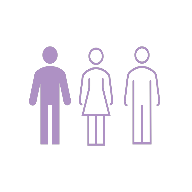
1 in 3 trans women, trans men, and non-binary people feel comfortable living in the UK nationally, compared to 2 in 3 cisgender lesbian or gay people.

LGBTQ+ people feel less comfortable living in rural areas nationally compared to urban areas.

2 in 3 LGBTQ+ people nationally refrain from holding hands with a same-sex partner in public because they fear negative reactions from others.

44% of trans people nationally do not feel safe because of their trans identity and therefore avoid certain streets when out in public.
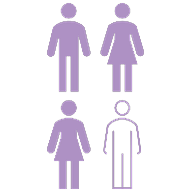 A Warwickshire Pride survey in Rugby showed that over three quarters of respondents felt that there needs to be more services and activities for LGBTQ+ people. [Insert paragraph for item 08 / Mental health]
A Warwickshire Pride survey in Rugby showed that nearly 50% of participants had experienced hate incidents related to their LGBTQ+ identity, with verbal abuse being the most frequent form of harassment.

Lesbian, gay, and bisexual people who are carers nationally have a higher prevalence of ill health, including a higher prevalence of long-term health conditions (70% for lesbian, gay, or bisexual carers compared to 60% of non LGB carers) and a higher prevalence of mental health conditions (36% for lesbian, gay, or bisexual carers compared to 13% for those who aren’t LGB).

COVID-19 caused an increase in health inequalities nationally. As a considerable amount of the evidence presented in this JSNA was pre-pandemic, it is important to consider the impact COVID-19 will have had on people who are LGBTQ+ and how this may have changed the picture since pre-pandemic evidence was published.
The wider determinants of health

1 in 5 LGBTQ+ people nationally have experienced homelessness at some point in their lives. This is higher for trans people, with 1 in 4 having experienced homelessness.

Half of LGBTQ+ young people who have experienced homelessness in the last five years nationally feared that expressing their LGBTQ+ identity to family members would lead to them being evicted.

LGBTQ+ people were twice as likely to report being unemployed in the 2021 Census compared to heterosexual and cisgender people.

Nationally, just under 1 in 5 LGBTQ+ staff have experienced negative comments or conduct in the workplace due to being LGBTQ+.

3 in 5 LGBTQ+ staff nationally agree that their workplace has equalities policies that protect lesbian, gay, and bisexual people at work. This is lower at 1 in 2 in rural areas.

A national study in 2021 expressed that nearly 50% of pupils said their schools had little to zero positive messaging about being LGBTQ+ in the past 12 months.
Nearly 9 in 10 LGBTQ+ people responding to a national survey reported that they had experienced sexual harassment since the age of 18, with nearly 8 in 10 experiencing sexual assault.

7% of LGBTQ+ pupils in a national survey said they had experienced sexual harassment compared to 2% who were not LGBTQ+. This was highest in bisexual girls, 12% of whom had experienced sexual harassment.
- Recommendations
-
The LGBTQ+ JSNA makes three calls to actions rather than recommendations acknowledging that more local data is need to fully understand what health inequalities look like for this population in Warwickshire.
The three calls to action can be found on page 12 of the JSNA (PDF, 3.3MB).
- Last updated
- January 2026