- Publication detail
- Executive summary
-
The Healthy Ageing Joint Strategic Needs Assessment (JSNA) seeks to understand what older adults in Warwickshire need to live longer, happier, and healthier lives, as well as what strengths individuals and communities already have that support this aim.
Key insights include:
Local population

Older adults make up a large and growing proportion of the Warwickshire population; one in five residents were aged 65 and above in 2021 (21%; 123,500 people) and this is projected to be closer to one in four residents (24%, 153,200) by 2033. Updated projections that incorporate 2021 Census data are due in 2024, but this suggests that there could be an additional 30,000 people in this age group in 10 years’ time.

The current distribution of older people and the projected growth varies by district and borough, with older adults making up 25% of Stratford-on-Avon's population but only 18% of that of Rugby. Stratford-on-Avon is projected to see the largest percentage increase in its 65+ population.
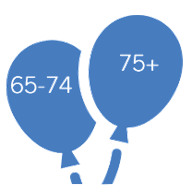
Most older adults in Warwickshire are younger than 75 but higher rates of growth are projected for older age groups. Just over half of older adults are 65–74 (51%; 63,500 people), with only 13% aged 85 and above (16,400 people). However, larger percentage increases are projected for older age groups.

There is a skew towards female sex among the oldest people in Warwickshire; overall, 54% of older adults are female, but this increases to 62% in those aged 85 and over.

The older population is less diverse than the all-age Warwickshire population, with 93% of older adults identifying as white British compared with 82% overall; however, ethnic diversity is likely to increase in the future.
Risk factors

Tobacco is the single largest modifiable risk factor for ill health and death in people aged 70 and above in Warwickshire. Nationally, rates of current smoking are low in those aged 65+, suggesting risk from previous smoking and highlighting the need to prevent smoking across the life course; however, for those who do smoke, it is never too late to quit.

Alcohol use at ‘increasing risk’ levels is high among older men nationally and alcohol-related admissions rates locally are higher than England. Around one in three men aged 65–74 (32%) are ‘increasing risk’ drinkers (14–50 units per week), higher than the overall figure for those aged 16+ of 23%. For women, this is 14% (similar to the figure for those aged 16+ of 13%). In Warwickshire, men aged 65+ have a significantly higher rate of admissions for alcohol-related conditions compared with England.
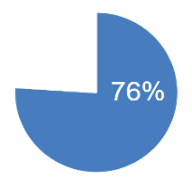
More than three-quarters of men (76%) and seven in ten women (71%) aged 65–74 are either overweight or obese nationally. Being obese increases the risk of conditions including type 2 diabetes, coronary heart disease, some types of cancer, and stroke. Obesity is more common in the most deprived areas, highlighting the need to tackle the conditions in which people live to reduce inequalities.

Physical inactivity in older adults is common. Four in ten people aged 65+ (41%) in Warwickshire are routinely inactive (less than 30 minutes of activity per week). This would equate to around 50,400 people in Warwickshire. In people aged 85+, around two-thirds are estimated to be inactive. Physical activity contributes to the prevention of health conditions, including reducing the risk of falls and frailty.
Mental health
Loneliness is more common in young people than in older people. Nonetheless in Warwickshire, there are an estimated 19,800 people aged 65–74 who are experiencing loneliness, and 21,000 people aged 75+. While overall rates may be lower in older people, certain characteristics make the experience of loneliness more likely, including higher levels of inactivity, living in more deprived areas, being obese, having poor health, and living alone.

Around 1 in 11 people age 65+ in Warwickshire (9.2%) are estimated to experience a common mental disorder, such as anxiety or depression. Modelled estimates range from 8.4% in Stratford-on-Avon and Warwick to 11.0% in Nuneaton and Bedworth. Men aged 60+ living alone had higher rates of common mental disorders compared with those living in a couple.

In general, women aged 65+ experience rates of depression almost twice those of men. In Warwickshire there are an estimated 6,800 women aged 65+ with depression and 4,000 men. Rates of severe depression are highest in older age groups.

The lowest referral rates and the highest improvement rates for Talking Therapies are in older people. There is evidence that people aged 65+ are less likely to be referred for such treatments but are more likely to be on medication.
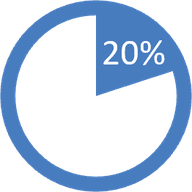
People aged 65+ make up around 20% of total suicides in Warwickshire.

The proportion of people with dementia who have a diagnosis is lower in Warwickshire than England: only 55% of people who are estimated to have dementia have a diagnosis, compared with 62% nationally. The highest estimated and recorded numbers of people aged 65+ with dementia are in Stratford-on-Avon, which also has the lowest diagnosis rate (52%).

As the older population grows, the number of people with dementia is projected to increase. Between 2020 and 2040 there is projected to be a 57% increase in the total number of people with dementia. Increases are projected to be highest in people aged 85–89 and those aged 90+.
Physical health

As older adults age, they become more likely to have a long-term condition that limits their day-to-day activities, rising from 25% of people aged 65–74 to 53% of people aged 85+. In Warwickshire, just over 49,000 people aged 65+ report experiencing a long-term condition that limits them. Across Warwickshire, approximately 14% of people aged 65+ are ‘limited a lot’ in their day-to-day activities by a long-term condition. This varies from 11% in Stratford-on-Avon to 18% in Nuneaton and Bedworth.

Cardiovascular disease is more common in individuals over 50 and the risk increases with age. Men are both more likely to develop cardiovascular disease than women and to develop it at an earlier age than women.

The estimated prevalence of chronic obstructive pulmonary disease (COPD) is higher in older people and increases from 17% in those aged 65–69 to 25% in those aged 75–79. There is a gap between the recorded and estimated prevalence of COPD, with 1.7% of adults in Warwickshire recorded as having COPD compared with 7.8% estimated by the Global Burden of Disease. Men have a higher recorded and estimated prevalence of COPD, although this gap may be closing.

Around 20–22,000 people aged 65+ in Warwickshire are estimated to experience bladder problems at least once a week. Prevalence is similar for males and females until the 85+ age group where females have a higher prevalence (28%) than males (19%). People who experience continence issues may avoid going out socially and be less likely to engage in physical activity. This may lead to people feeling socially isolated or lonely.

There were estimated to be around 10,800 people aged 65+ in Warwickshire with a moderate or severe visual impairment in 2020. People aged 65+ account for around 70% of those registered with a slight visual impairment or who are severely sight impaired in Warwickshire. Research suggests that around half of blindness and serious sight loss could be prevented if detected and treated in time.

Around 65,000 people in Warwickshire over the age of 70 are estimated to have some hearing loss, and 12,000 people aged 65+ may experience severe hearing loss. Unremedied hearing loss can lead to specific issues such as social isolation and loneliness, safety concerns due to not being able to hear alarms or vehicles, and difficulty in accessing services which may not adequately accommodate for hearing loss.
Nationally between 10% and 20% of older people have difficulty with daily tasks associated with mobility. Beginning as early as age 40, adults lose muscle mass and strength, losing up to 50% by the time they are 80. Women are more likely to need help with daily tasks than men and the need for support increases with age in both men and women.

Approximately one in seven adults over 65 are recorded as having diabetes: around 19,100 people. The highest rate is in men aged 80–89 where 19% are recorded as having type 2 diabetes. Nine key care processes are recommended for patients with diabetes. The percentage of adults aged 60+ receiving all nine processes is low and decreases with age: from 29% in 60–69 year olds to 13% in those aged over 90.

The proportion of people living with frailty increases with age, with research suggesting a prevalence of 6.5% in those aged 60–69, rising to 65% in those aged 90 and above in England. In England 12% of the 65+ population lives with moderate frailty. However, only 2.4% of the 65+ population in Warwickshire are registered with a GP with moderate frailty.
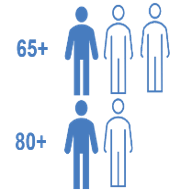
One in three people over the age of 65 and half of people over 80 will have at least one fall per year. While not all falls will require medical treatment, 1 in 20 older people in the community experience a fracture or need hospitalisation after a fall. The rate of hip fracture and falls-related admissions rises with age and is higher for women.

Older people were disproportionately affected by COVID-19; in Warwickshire, 92% of COVID-19 deaths in 2020 were in those aged 65+, with 43% in those aged 85+. Uptake across Warwickshire for the COVID-19 booster was lower in spring 2023 than in autumn 2022, with the lowest rates in North Warwickshire (65%) and Nuneaton and Bedworth (69%).

More than half of older people live with more than one long-term condition (54%), and the prevalence of multimorbidity increases with age, with research estimating that 46% of those aged 65–74 will have more than one long-term condition, increasing to 69% in those aged 85+. By 2035 the proportion of people aged 65+ living with two or more conditions is project to increase from 54% to 68%, while the proportion living with four or more conditions is projected to increase from 10% to 17%.

Across Warwickshire in 2020–22, 43% of deaths in people aged 65+ occurred in hospital, followed by 27% at home, 27% in care homes and 3% in hospices. Place of death also varied by district and borough, with the highest proportion of deaths (in people aged 65+) in hospital in Nuneaton and Bedworth (53%) and the lowest in Stratford-on-Avon (37%). Men had a higher proportion of deaths in hospital or at home and women had a higher proportion in care homes.
Wider determinants

There are around 12,600 people aged 65+ in Warwickshire who provide unpaid care (10.2%). Around 3,800 carers aged 65+ are registered with Caring Together for Warwickshire, suggesting that around two-thirds of older carers may not be accessing formal support. The proportion of carers reporting that their own health is good or very good is lower in those who provide more hours of unpaid care per week or who are older.

Around one in four people aged 75+ nationally (26%) do not have internet access at home and therefore may be at risk of digital exclusion. In Warwickshire, this would equate to approximately 15,600 people. Factors such as visual impairment, hearing difficulties, and limited manual dexterity may put individuals at a higher risk of digital exclusion.

A national survey in January 2023 found that 60% of people over 60 were worried about being able to heat their homes and 45% were worried about affording essentials. In 2019, it was estimated that £22.3m of Pension Credit was unclaimed across Warwickshire.

Older adults are more vulnerable to health effects from living in cold homes. More than one in seven households in Warwickshire (15.1%) were estimated to be in fuel poverty in 2021. This ranged from 13.9% of households in Warwick to 16.3% in North Warwickshire. Living in a cold home increases the risk of stroke and heart attacks, as well as respiratory diseases and falls. Data on mortality in winter compared with the rest of the year indicates that that deaths are higher in winter months every year.

Older adults are also vulnerable to the effects of heatwaves. Summer 2022 was an exceptional summer with a record temperature of 40.3°C reached in July. Nationally, over a 10-week period when temperatures were at their highest, there were an estimated 2,839 excess deaths in those aged over 65, demonstrating the possible impact that hot weather can have on older people.

Around four in ten people (39%) surveyed for this JSNA disagreed or strongly disagreed that housing in their local area met the needs of older people, although three in ten were neutral (33%), and three in ten agreed or strongly agreed (28%). The average cost of home adaptation which would allow an older person to remain at home is £6,000, compared with a yearly cost of £26,000 for residential care. National research highlights that for those older people who wish to move, 49% were prevented from moving by the lack of housing options.

In households where older people live alone, 42% do not own a car or van compared with 8% in households with more than one person. Prior to the COVID-19 pandemic, the uptake of older bus passes in Warwickshire was declining. This saw a large decline during the pandemic and has not yet returned to pre-pandemic levels from available data.

Rates of employment in those aged 65+ in Warwickshire (11.1%) are similar to the England and Wales average (10.1%). This varies by district and borough, from 8.4% in Nuneaton and Bedworth to 13.4% in Stratford-on-Avon.

National evidence suggests that reasons for early retirement vary by wealth; those with below-average total wealth (< £331,000) are more likely than those with above-average total wealth to state that ill health (their own or others) is the main reason for early retirement, while those with above-average total wealth more frequently state that they take early retirement to enjoy life or to spend time with family.

National research indicates that people aged 65–74 are the age group who are most likely to volunteer formally (around three in ten volunteered at least once a month in 2019/20), although the gap with younger age groups has narrowed substantially between 2019/20 and 2020/21 due to a decrease in volunteering during the pandemic.
Inequalities

Only 18% of older adults in Warwickshire live in neighbourhoods that are among the most deprived 40% of areas nationally; however, 5,300 people aged 65 and above (5% of this population) live in areas that are in the most deprived 20% nationally.

Rural settings pose both advantages and disadvantages; transport and access to services can be a challenge.

Around one in six men aged 65+ in Warwickshire are veterans (around 9,200); this is driven by national service in the post-war period. There are around 1,000 female veterans aged 65+.
Recognising strengths and tackling discrimination

51.8% of respondents to the survey carried out for this JSNA rated their local area as good or excellent as a place to live for people as they get older. Only 13.9% rated it poor or very poor, with the rest rating it neither good nor poor.

Ageism was an issue highlighted by some engagement participants; responses highlighted that younger people were felt to view older people in a less positive way relative to other age groups, although responses showed a desire to do more intergenerationally.

We heard from our engagement that older adults want to feel heard and have autonomy; engagement responses included a desire to feel heard in local decision making and when planning support for their health.

Our engagement highlighted that relationships and communities are important to older adults, with respondents to the survey ranking spending time with friends and family as one of the most important things to help them live a healthier and happier life as they grow older.

There were felt to be some barriers to accessing health and care services, such as transport.
- Recommendations
-
The recommendations from this Joint Strategic Needs Assessment (JSNA) are grouped according to their audience and by theme.
They can be found from page 14 of the JSNA (PDF, 7MB)
- Related information
- Last updated
- January 2024