Publication detail

This JSNA aims to provide an understanding of the mental health and wellbeing needs of infants, children, and young people aged 0-25 across Warwickshire. This JSNA looks both at service provision and access, as well as highlighting where proactive prevention may be possible around the wider determinants of mental health and wellbeing.

To explore the recommendations and summary of key data we have created a story board:

Mental Health and Wellbeing of Infants, Children, and Young People JSNA story board

Read the full JSNA (PDF, 6.1MB)

Executive summary

This JSNA examines the picture of mental health and wellbeing in infants, children and young people aged 0-25 years old in Warwickshire. The word “infants” is included in the title of this JSNA to reflect the importance of the first 1,001 days and the Best Start to Life approach, and the impact that this will have on someone’s mental health throughout their life.

This JSNA does not look specifically at special educational needs or special educational provision. Warwickshire County Council has commissioned a SEND Needs Assessment, due later in 2023. This will provide an overview of the current and future education, health and care needs of children and young people with Special Educational Needs and Disabilities (SEND), including those with specific needs relating to their mental health

Local context

Warwickshire has an estimated 171,000 infants, children and young people aged 0-25 years old, making up 28.5% of the total population. It is estimated that there will be a 14% increase in the number of people aged 0-24 years in Warwickshire between 2018 and 2043.

Across all five district and boroughs in Warwickshire, numbers within each single year of age increase slightly across the early ages peaking at 10 years old before falling. We then see far fewer young people at the age of 18 and 19, except in Warwick District where the numbers sharply increase due to students moving to the area.
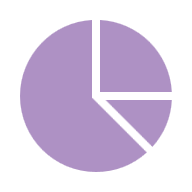
Warwickshire is forecast to see large growth in its housing stock in the coming years, evidenced in each District & Borough Local Plan. We can reasonably assume that this will increase the number of children and young people in the county over and above the population projections.

There is a greater diversity of ethnic heritages among Warwickshire’s children than there is across all age groups within the county as a whole. Nearly 86% of children and young people in Warwickshire reported ethnicities with the “White” category, which is lower than 92.8% for those aged 26 years and over. The percentage reporting as White: English, Welsh, Scottish, Northern Irish, or British has decreased over the past three census years (2001, 2011, and 2021).

The 2021 Census tells us more about gender identity among Warwickshire’s population. Respondents aged 16 years and over were asked “is the gender you identify with the same as your sex registered at birth?”. For respondents aged 16 to 24 years, 93.26% stated that their gender identify was the same as their sex registered at birth, 5.93% did not answer the question and 0.81%, equating to 465 16-24 year olds, stated that their gender identity was different from their sex registered at birth.

Thriving – Health behaviours & lifestyles

Substance use

A 2021 national survey of young people found that there has been a decrease in the prevalence of young people smoking cigarettes and both recent and lifetime illicit drug use. There is a clear relationship between substance use and life satisfaction, happiness and anxiety, with those who smoke, drink, and/or take drugs reporting lower levels of life satisfaction and happiness and higher levels of anxiety.

Healthy weight

Research from the Millennium Cohort Study found an association between Body Mass Index (BMI) and emotional problems, with obesity at age seven years old considered a risk factor for emotional distress at 11 years old, and in turn, mental health conditions predicting high BMI at 14 years old.

Rates of obesity in Warwickshire have increased over time as shown by the National Child Measurement Programme, with children in both reception and year 6 showing increased obesity rates between the combined years 2009/10-2013/14 and 2017/18-2021/22.

The Warwickshire Health Needs Assessment carried out by school nurses (Compass) has also found an increase in children worrying about what they eat. Of those children asked in year 6, 28% of respondents said they worried in some way about what they ate in 2021/22, compared to 18% in 2019/20.

Pregnancy

Although conception rates in younger mothers have been steadily falling over the past 20 years, it remains a significant consideration in young adult mental health, with teenage mothers more likely to experience adverse short term health impacts as well as postpartum depression, which has a prevalence of up to double that observed in adult mothers.

Young fathers are significantly more likely to experience depression than older fathers with over one third of young fathers (39.2%) wanting support for their mental health.

Perinatal mental health

It is important to consider the relationship between infant and child mental health and wellbeing and parental mental health, particularly within the perinatal period (conception to up to one year after giving birth). A variety of issues can contribute to poorer mental health outcomes during the perinatal period, including service provision, a previous mental health diagnosis or lack of integrated physical and mental health care for women and their partners during this time frame.

Previous loss of a child, whether before or after birth, can have a profound psychosocial burden. Within the UK, one in four pregnancies end in miscarriage and one in 250 pregnancies end in stillbirth. Furthermore, a traumatic childbirth can cause psychological distress, fear and helplessness and increase the risk of anxiety, depression, and even post-traumatic stress disorder (PTSD). Such conditions can directly impact the relationship between a parent and their child as well as the couples relationship and could have consequences ranging from social isolation to the other extreme of suicide in a minority of cases.

In the UK, the majority of mental illness throughout the perinatal period presents as common mental health disorders such as mild depression, anxiety disorders, and/or adjustment disorders. Sadly, maternal suicide is the leading cause of pregnancy related death in the year after giving birth and almost a quarter of all deaths of women in the perinatal period were from mental health related causes.

Thriving - Places & communities

Support networks

A support network is often identified as a key component of good mental health and wellbeing. Having a poor support network has been linked to loneliness and increases the risk of alcohol use, depression, and death by suicide. The Mental Health of Children and Young People survey in 2022 found that 5.2% of children aged 11-16 years reported feeling lonely often or always, with 31.6% reporting occasionally or sometimes. This was higher in girls than boys. In 17-22 year olds, 12.6% reported feeling often or always lonely, with 54.1% reporting occasionally or sometimes.

Bullying

The Annual Bullying Survey 2020 reported that 25% of respondents aged 12-18 years said in the past 12 months they had been bullied based on their own definition. Over three in five (63%) of those who had been bullied said it had a moderate to extreme impact on their mental health, with a further breakdown showing 44% felt anxious, 36% felt depressed, 33% had suicidal thoughts, and 27% self-harmed.

Social media and internet use

Social media and the internet can have both a positive and negative impact on children and young people’s mental health. Engagement undertaken by YoungMinds and The Children’s Society with children and young people aged 11-25 years showed that 62% of respondents agreed that social media had a positive impact on their relationships with their friends.

However, links have been found between the number of hours spent on social media per week day and the percent of UK teens with depression. Rates are higher for girls than boys, with 38.1% of girls who spend more than five hours per week day on social media also being depressed. Moderate users are only slightly if no worse off than non-users but as time on social media increases, the impact rises quickly.

Body image

Dissatisfaction with body image in children and young people has been linked with mental health conditions and risk-taking behaviours, particularly to depressive symptoms and anxiety disorders such as social anxiety or panic disorder. Responses to the Warwickshire Health Needs Assessment in 2021/22 showed one in ten children in year 9 never like their body, with over one in three (37%) only sometimes liking their body. In year 6, 31% of respondents sometimes or never like their body.

A national Be Real survey highlighted the lengths children and young people would go in order to change their appearance, with one in ten children and young people having done or considered plastic surgery, and 57% having gone on or considered a diet.

Impact on those providing informal care

Young carers have been found to be twice as likely to report a mental health condition than young people generally, with higher levels of anxiety and depressive symptoms.

In the Warwickshire Health Needs Assessment Survey, year 6 and year 9 pupils were asked if they perform any tasks at home because the adult they live with is unable to do so. In year 6, 2.4% selected three or more tasks, indicating a significant level of responsibility, with 1.4% in year 9.

Migrant communities

There is a large body of evidence identifying refugee and migrant children to be at high risk of developing mental health conditions, primarily internalising disorders such as post-traumatic stress disorder, anxiety and depression. Latest figures show there are just under 1,000 children and young people under the age of 18 years across different migration schemes in Warwickshire.

A Warwickshire Syrian Vulnerable Persons Resettlement Scheme and UK Resettlement Scheme Mental Health Needs Assessment in 2020 found that referrals to mental health services for this group in Warwickshire are low, with key findings showing that this can be explained by:

  • A lack of expertise and understanding amongst mainstream health and mental health providers about working with refugees and refugees therefore feeling that services do not always meet their needs.
  • Inconsistent use of interpreters with some refugees being told that they cannot access services if they do not speak English.
  • Cultural stigma attached to the concept of mental illness and a reluctance to discuss issues and seek help.
  • Lack of understanding amongst refugees about mental health support available and what to expect.
  • Lack of specialist mental health support for refugee children.

These issues are similarly important to address to support the mental health of children in other migrant communities.

LGBTQ+ and gender identity

Whilst being a member of the LGBTQ+ community is not automatically a risk factor for poor mental health, evidence shows that the LGBTQ+ community experiences poor mental health at a disproportionate rate. Research shows that amongst the LGBTQ+ population:

  • 50% had experienced depression
  • Three in five had experienced anxiety
  • One in eight people aged 18-24 had attempted to end their life
  • Almost 50% of trans people had thought about taking their life
  • 52% have reported self-harming

The 2021 Census included a voluntary question on sexual orientation which was asked to those aged 16 years and over. From responses of those aged 16-24, 9.4% of females and 4.5% of males said they were lesbian, gay, bisexual, or other (LGB+), with 9% of females and 8.7% of females not answering. Respondents were highest in Warwick District, where 12.4% of females and 6% of males said they were LGB+, with 11.4% and 11.2% respectively not answering.

Domestic abuse

One in seven children and young people under the age of 18 will have lived with domestic violence at some point in their childhood. The impacts of this can be wide ranging and be both short and long term. The types of behavioural and emotional impact can include becoming anxious or depressed, having difficulty sleeping or having nightmares or flashbacks, becoming aggressive or internalising distress and withdrawing from other people and a lowered sense of self-worth. Older children may also miss school, start to use alcohol or drugs, begin to self-harm or have an eating disorder.

In Warwickshire in 2020/21 the rate of domestic abuse related crimes and incidents per 1,000 of the population was 28, which is slightly lower than the England (30) and West Midlands (34) rates.

Loss and bereavement

Bereavement is the aftermath of a loss when emotions are particularly raw. Whilst most are associated with the loss of someone close to them, it can also occur after other deep significant losses.

Grief is known as a source of agitation for existing mental health challenges, with a well-established link between the loss of a parent or parental figure and thoughts of suicidal ideation or self-harm. Data is not collected on the number of children affected by the death of a parent, however estimates indicate that in the UK:

  • One parent dies every 20 minutes.
  • There are 127 newly bereaved children every day.
  • 26,900 parents die each year, leaving dependent children.
  • 46,300 dependent children aged 0-17 are bereaved annually.
  • By the age of 16, one in 20 young people will have experienced the death of one or both of their parents.

The Warwickshire Health Needs Assessment Survey asked year 6 and year 9 pupils whether they had experienced a sudden loss. In 2020/21, there was a peak of two thirds (66%) of year 9 and 62% of year 6 saying they had experienced a sudden loss. This will include a loss of any kind, not just loss of a parent.

Transition periods

Transitions are periods of change. For children and young people there is so much that is changing all at once; there are physical and emotional changes, changes in roles, expectations, and relationships to name a few. The transition into primary school, secondary school, and leaving school are perhaps the largest that all children will go through.

Mentally Healthy Schools suggest different ways schools can help support transitions, including engagement with parents and carers to help monitor wellbeing and academic achievements, as well as support networks. Other suggestions include a peer support system and health and wellbeing lessons to help develop children’s social and emotional skills from an early age.

The transition period between adolescence and adulthood can be a particular challenge. Up until this point children and young people are part of a defined system that provides structure and has the means to monitor problems.

Thriving - Wider determinants

Deprivation

Common mental health disorders and severe mental illness both have a pronounced gradient against deprivation and inequalities, with the poorest 20% of households being four times as likely to have serious mental health difficulties by the age of 11 as those from the wealthiest 20%. All seven domains that make up the Indices of Multiple Deprivation have a direct impact on mental health and wellbeing which is explored further in the main report.

Children who are looked after

Whilst a child or young person could be having a traumatic experience before moving into care, moving into care itself can be a traumatic experience, due to increased levels of uncertainty and insecurity, as well as feelings of loss. NICE guidance highlights that whilst the rate of mental health disorders in 5 to 15 year-olds is 10%, for those children who are looked after, it is 45%, and for those in residential care it is 72%.

On 31st March 2022, there were 822 children being looked after in Warwickshire. The most common categories of need were ‘abuse or neglect’ (45%) and ‘family dysfunction’ (27%). The highest rate of children looked after per 10,000 by originating district was in Nuneaton and Bedworth, with 102.

Children with long term conditions

A child or young person’s mental health is closely linked to their physical health, with research finding that children with long term health conditions are twice as likely at age 10 and 13 to present with a mental health disorder than those without a long term health condition, and by age 15 they were 60% more likely to present with a mental health disorder.

Children with life limiting conditions

Research has shown that the incidence of anxiety and depression is significantly higher in children and young people with life limiting conditions, with the conclusion that there is a need for psychological support in this population, including further efforts to prevent, identify, and treat anxiety and depression.

Coventry and Warwickshire Child Death Overview Panel reviewed 23 children in Warwickshire with life limiting conditions between 2019 to 2022. They identified common themes throughout the cases, including:

  • The provision of counselling and mental health support for these children is usually reliant on charity or hospital settings, the current Rise service is not commissioned to provide mental health support for children who will die.
  • Having a child with a life limiting condition impacts the mental health and wellbeing of the whole family.
  • Across Coventry and Warwickshire, children with a life limiting condition have not always been considered for a child in need assessment, which could benefit both the child and the familial structure.

Impact of COVID-19

The COVID-19 pandemic had a major impact on the lives of children and young people with challenges such as lockdowns, school closures and home learning and social distancing. The Coventry and Warwickshire Adult Mental Health and Wellbeing JSNA highlighted that there are indications the pandemic had a much deeper impact on the wellbeing of adolescents and young adults compared to older adults.

In 2021, the NHS Children and Young People Mental Health Survey found that when asked if life is better or worse following the pandemic there was a higher percentage responding that life was a little or much worse in those with a probable mental health disorder (64% in 11 to 16 year olds and 75% in 17 to 23 year-olds) compared to those unlikely to have a disorder in both age ranges (54% and 67%).

Cost of living

The cost of living has been increasing since early 2021, with data from Citizens Advice showing single people with children, people who are disabled or have a long term health condition and people from Black/African/Caribbean/Black British ethnic groups, Other Ethnic Groups and Mixed/Multiple ethnic groups more adversely affected.

Polling of parents with children under 18 years old showed 54% of respondents have been forced to cut back on food spending for their family over the past 12 months, with one in five parents struggling to provide sufficient food. Research conducted with children and young people showed that the cost of living was a major worry for 56% of respondents, with 80% of those aged 20-25 years being always or often worried about earning enough.

Climate change

Climate change was identified as a repeated concern for children and young people in Warwickshire from the engagement mapping for this JSNA. In a national survey from the Lancet published in December 2021, 1,000 young people aged 16-25 years from the UK answered questions around climate change. Just over 50% of respondents said they felt helpless about climate change, with just over 60% saying they were afraid. Just over 70% said the future is frightening because of climate change.

Getting advice, help, and more help
Trauma

The Office for Health Improvement and Disparities defined trauma as:

Trauma results from an event, series of events, or set of circumstances that is experienced by an individual as harmful or life threatening. While unique to the individual, generally the experience of trauma can cause lasting adverse effects, limiting the ability to function and achieve mental, physical, social, emotional or spiritual well-being.

A Coventry and Warwickshire Trauma Needs Analysis produced in December 2022 highlighted several key themes including:

  • A recognition by practitioners that trauma was highly prevalent amongst the children and families they support.
  • Practitioners were less consistently aware of how interactions with services can be retraumatising and potentially unhelpful for children and young people.
  • Practitioners feel overwhelmed by the levels of trauma and complexity that they are facing and feel they are often expected to address this on top of their workload.
  • There is a fragmented understanding of all forms of trauma and the many different trauma responses that may arise from exposure to trauma and adversity.
  • Vicarious trauma can affect parents, carers, and professionals who work with children who have experienced trauma.

Common mental disorders

In the absence of local intelligence, prevalence for both Common Mental Disorders and Severe Mental Illness have used the national NHS Children and Young People’s Mental Health surveys.

Common Mental Disorders (CMDs) comprise of different types of depression and anxiety that cause marked emotional distress and interfere with daily function. The NHS Health of Children and Young People Survey shows that there has been a statistically significant increase in the percentage of estimated CMDs from 2017 to 2022 in all age categories for both males and females.

Severe mental illness

Severe Mental Illness (SMI) refers to people with psychological problems that are often so debilitating that their ability to engage in functional and occupational activities is severely impaired.

In the NHS Mental Health of Children and Young People survey 2022 it was estimated that 22.6% of females and 14.4% of males aged 17-24 years were at risk for psychotic-like experiences.

The survey also showed an increase in the percentage of children and young people screening positive for possible eating problems, with 76% of females aged 17-19 years screening positive in 2022 compared to 61% in 2017, with males at the same age increasing to 45% in 2022 from 30% in 2017.

One in three 17-24 year olds have tried to harm themselves, with that number being higher for females (43%) than males (23%). Just over one in ten (11%) 11-16 year olds have tried to harm themselves, with the percentage of females (15%) just over double that of males (7%).

Service access

In 2021/22, up to 65% of children and young people in Warwickshire with a probable mental disorder are not in contact with a secondary mental health service. This varies across different age ranges, with 22% of 6-10 year olds, 47% of 11-16 year olds, and 26% of 17-23 year olds with a probable mental health disorder in contact with a secondary mental health service in 2021/22.

The number of 0-4, 5-10, and 11-17 year olds accessing mental health services in Warwickshire has been increasing. For the 5-10 and 11-17 year olds, there is a particular increase which aligns with the start of the lockdowns and first year of the pandemic. Whilst the 11-17 year olds make up the most number of contacts with a mental health service, the largest increase in access is in the 0-4 year old population, which increased by over double when comparing the time periods April 2019-March 2020 and April 2021-March 2022.

At a younger age those accessing mental health services in Warwickshire are predominately male, with around 70% of those accessing between the ages of 2-4 years being male. At the ages of 11-12 years, there is a rise in the percentage of females. At age 14 years, around 65% of those accessing service are female. From 14 to 24 years, the percentage of females accessing services is higher than males.

Service waiting times in 2021/22 reflected the increase in both demand and complexity of children and young people mental health needs. There was a significant increase in referrals for children and young people crisis care and eating disorders, with the demand for these services greater than the pre COVID commissioned capacity.

The Eating Disorders service is provided by Coventry and Warwickshire Rise that aims to work in collaboration with children, young people and their families or carers to offer specialist assessment and treatment for eating disorders. Patients across Coventry and Warwickshire in 2021/22 were in the bottom 5% in the country for eating disorder national access targets for both one week and four weeks. More recent published data has not shown any improvement, although there have been technical difficulties with the data collection system.

Getting risk support

Crisis support

The Rise crisis telephone helpline is run by the Rise Crisis and Home Treatment team who provide multi-disciplinary support to children and young people under the age of 18 years. Service data in Warwickshire shows months where educational pressures peak (such as in May and June during exams) and months with transition points (such as September when the new school year starts) show an increase in the number of calls received.
Hospitalisations

Admissions for children and young people in acute settings having self-harmed in 2021/22 peak at the age of 14 years with 71 admissions. The admissions are female dominated, particularly between the ages of 13-16 years, with just over 60 of the 71 admissions at age 14 being for females.

Out of 352 admissions for self-harm, 303 of those were from intentional self-poisoning. Over half (52.8% or 186) self-harm admissions were reported as 4-amniophenol derivatives which includes paracetamol. During March 2023, Coventry & Warwickshire Partnership Trust (CWPT) are collating the source or paracetamols for children and young people following a rise in children and young people presenting at A&E and on wards with paracetamol overdose, asking in more detail where they got the paracetamol from.

Admissions for children and young people with a mental health disorder diagnosis in 2021/22 shows a steady increase throughout the 0-24 age ranges, with a peak at age 23 of 81 admissions. The increase for males is consistent, whilst females see a particular increase between the ages of 12-14 years followed by a consistent increase.

Tier 4 referrals

CAMHS Tier 4 are specialised services that provide assessment and treatment for children and young people with emotional, behavioural, or mental health difficulties, and are commissioned by NHS England as opposed to local authorities. In October 2022 a review of CAMHS Tier 4 referrals took place across the East and West Midlands by NHS England Midlands. The review found that in the West Midlands:

  • 63% of the cases were female.
  • 37% of the cases were 17 years old.
  • 30% of the cases were admitted following a suicide attempt or assessed as being very high risk of suicide.
  • 40% had a diagnosis of autism.
  • 80% were subject to a Mental Health Act section.

Suicide

Coventry and Warwickshire Child Death Overview Panel (CDOP) have consolidated learning from cases reviewed at panel into two imagined case studies for this JSNA. These highlight there are often a range of factors that lead to losing a child to suicide. Understanding and combating these factors is crucial in helping to prevent future loss. These factors may not always flag a child or young person as being in crisis and each individual will react to these factors differently. It is therefore important that there is a combined effort between communities and services who work with children and young people to approach suicide awareness and support those who may be struggling.

Recommendations

Recommendations can be found from page 22 of the JSNA (PDF, 6.1MB)

Update cookies preferences